Beyond AQIs: Time for new data and Census reports

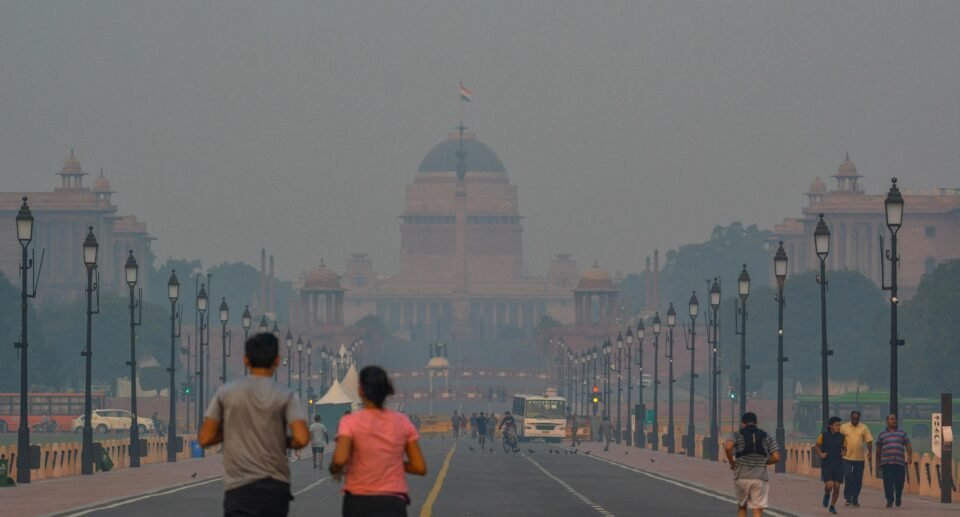
Dismal Air Quality Indices (AQIs) and increased vehicular pollution have made the headlines yet again. These terms, in recent times, are synonymous with winters of Northern India. Barring the hills of this region, each year appears to become challenging for the native resident owing to impure air. Talks revolving around portable air-purifiers make one wonder about the future too.
Although policymakers, the courts and the public continue to work towards a favourable solution, something appears to be amiss. Scenarios such as these require a systematic assessment of data. The pertinent query, however, relates to the authenticity of the numbers available. After all, not many of us are aware of when India reported its first ‘smog’.
Population and policy
Much of our studies revolve around data which was collated as part of the 2011 Census. The country’s population has multiplied since then. One must also note the changes in lifestyles across the nation over the past 14 years. The nature of businesses has also changed. Then again, some concerns continue to exist. The need for space ranks high in this regard. A short case study could help understanding these factors better.
Sonipat – from farms to universities
Sonipat is a district situated in the northern Indian state of Haryana. Considered to be one of the five prasthas as per the Mahabharata, Moreover, this region witnesses significant agrarian activities. Cauliflower fields, mustard fields, or even paddy field play a huge role in the lives of its residents. Sonipat also houses various industries producing goods at varied scales.
In 2011, Sonipat – a district in the northern Indian state of Haryana, recorded a total population of 14,50,001.[1] Children constituted approximately 12% of its population. Despite the existence of many acres of agrarian land, there was a decline in the ratio of cultivators to agricultural workers that year. District also saw a rise in its literacy rate from 72.8% in 2001 to 79.1% in 2011.
But these figures are over 14 years old. Since then, the district has been home to some of India’s most reputed educational institutions. Additionally, real estate prices have spiked in the region. Developers now strive to convert barren agrarian lands into apartment complexes. Sonipat has also seen an influx of people from different parts of the country owing to these changes too.
These developments pave the way for certain preferences. A personal means of transportation is one of them. Further, farmers in the region continue to burn the stubble before the next sowing season. These intensify the production of impurities which are released into the air. The result – a life of living indoors in the winter (while its cool/cold outside).
Conclusion
Our policies, therefore, must align with our population’s needs. To do so, one would have to delve deeper into India’s dynamic demography. It also demands a great deal of debate and research to understand the preferences of various communities. More importantly, it requires greater public participation.
[1] DISTRICT CENSUS HANDBOOK VILLAGE AND TOWN WISE PRIMARY CENSUS ABSTRACT (PCA) SONIPAT, https://cdn.s3waas.gov.in/s3d296c101daa88a51f6ca8cfc1ac79b50/uploads/2018/04/2018040930.pdf, accessed on November 26, 2025.